Fit notes for Chinese size charts, from flat measurements to fitted caps
Every slip ends with a fit note. This page is the method behind them: measure what you own, compare like with like, and know which figures to distrust.
Size letters on Chinese listings are not a standard. Two shops can call different garments M, and some listings start their range at L. The fix is a soft tape and one piece of clothing that already fits you, not a conversion table. Lolobuy's Size Reference article says the same: use your own measurements, not the label, and accept that measuring by hand can be off by 1 to 3 cm.
Measure a garment you already own
Lay a top that fits you well on a flat surface and smooth it out. Measure straight across the chest from one armpit seam to the other, then the length from the highest point of the shoulder to the hem, and the sleeve from the shoulder seam to the cuff. Most Chinese charts give chest as the flat width doubled, so double your chest figure before comparing, unless the chart is clearly a flat measurement (a chest of 55 cm for an M is a flat width).
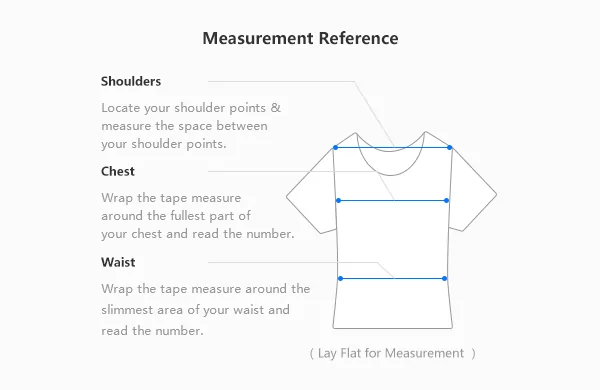
For bodies rather than garments, Lolobuy's diagram shows where to measure: shoulder point to shoulder point, around the fullest part of the chest, and around the slimmest part of the waist. Keep the tape level and loose enough to slide a finger under.
Write the numbers down once and reuse them for every order. The fit gap calculator does the comparison.
Reading tag codes and letter sizes
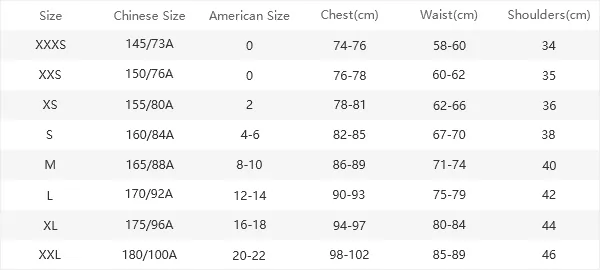
Clothing tags in China often carry a code such as 160/84A. Lolobuy's guide reads it this way: the first number is height in centimetres, the second is bust or waist in centimetres, and the letter is the build. A means average, B larger than average, C extra large, Y smaller than average.
Trousers add a length letter: S shorter than regular, R regular, L longer. Jeans written as 29W x 30L mean a 29-inch waist and a 30-inch inseam, at 2.54 cm to the inch.
Letter sizes themselves are a shop decision. On our slips, a pair of joggers starts at L (slip 18), a fitted tee is described as "small version" (slip 23) and one size menu contains a phone number (slip 06). The reference chart below is Lolobuy's, not any seller's, and is useful mainly to see how far Chinese and American sizes sit apart.
Shoes: foot length beats any size number
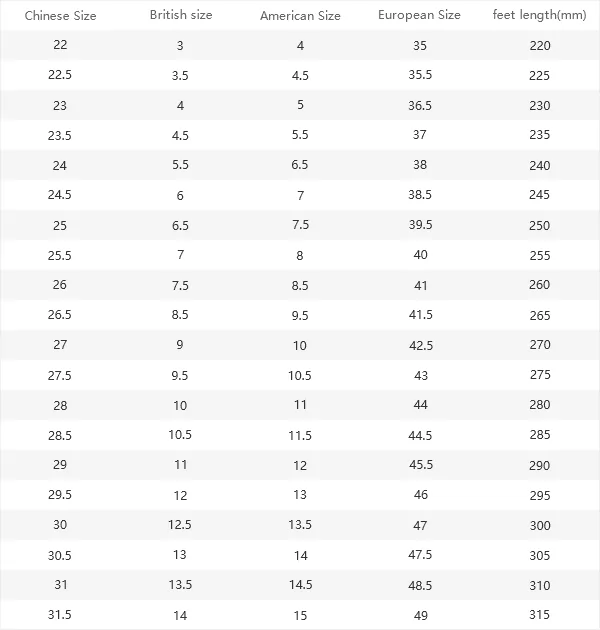
For shoes, the only number that travels well is foot length in millimetres. Measure in the afternoon, when feet are largest, stand on a piece of paper, mark heel and longest toe, and measure the larger foot. Lolobuy's guide adds that Chinese sizes say nothing about width, so with wide feet go half a size up: 8 becomes 8.5.
Then find the column on the listing that is written in millimetres. Slip 01 has two: JP and CHN. The JP column climbs evenly from 215 to 310; the CHN column repeats 225 and 265, so it cannot be the deciding figure. Slip 02 uses CM and gives 24.5 to two sizes. Slip 03 uses EU numbers only, and three of those sizes are made to order and cannot be returned.
Lolobuy's chart here lists Chinese size, British, American and European sizes against foot length in millimetres.
Bralettes, crop tops and the underbust figure
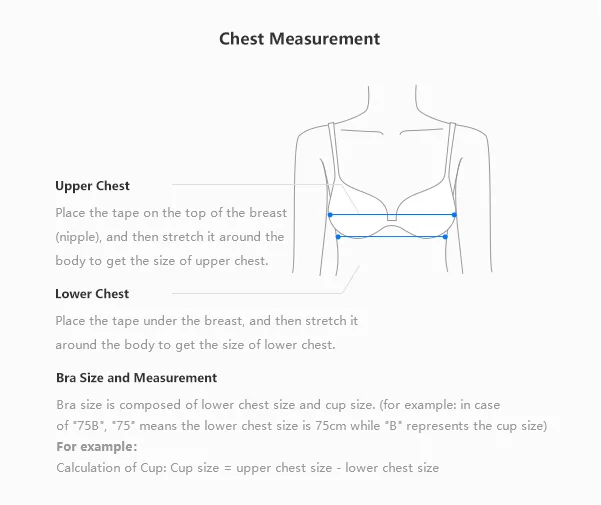
Lolobuy's guide measures two chest figures: the upper chest, over the fullest point, and the lower chest, directly under the bust. The lower figure gives the band size; the difference between the two gives the cup.
For a bralette like slip 21, sized S, M and L, the lower chest is the figure that matters. Ask the seller for the band range of each letter, and pick the letter whose range contains your measurement with a little room, since ribbed cotton stretches more than it shrinks.
For cropped tops such as slip 22, check body length as well as chest: a few centimetres decide where the hem sits.
Caps, belts and rings: accessories with real sizes
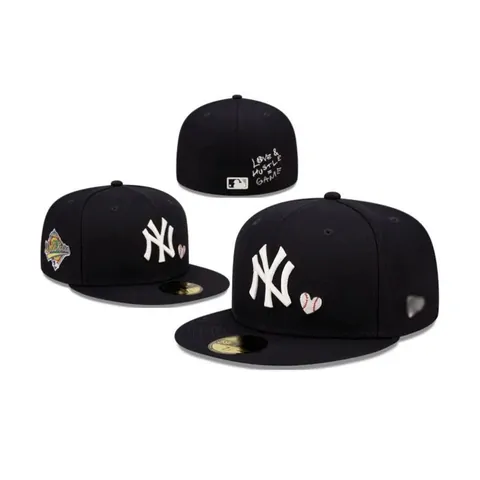
Fitted caps are sized by head circumference. Slip 28 is a model listing: every size has a centimetre figure, from 7 at 55.8 cm to 7 3/4 at 61.5 cm. Measure around your head just above the ears and across the forehead, and take the next size up if you fall between two.
Belts are sized by length from the buckle pin to the hole you use. Slip 29 lists lengths from 90 to 125 cm in 5 cm steps; slip 30 uses 1# to 7#, which mean nothing until the seller translates them. Check the strap width against your belt loops too.
Rings in slip 37 come in US sizes 5 to 10, and bracelets in 16, 18 or 20 cm. For a bracelet, add 1 to 2 cm to your wrist measurement.
When you are between sizes: the remark and the 1 to 3 cm rule
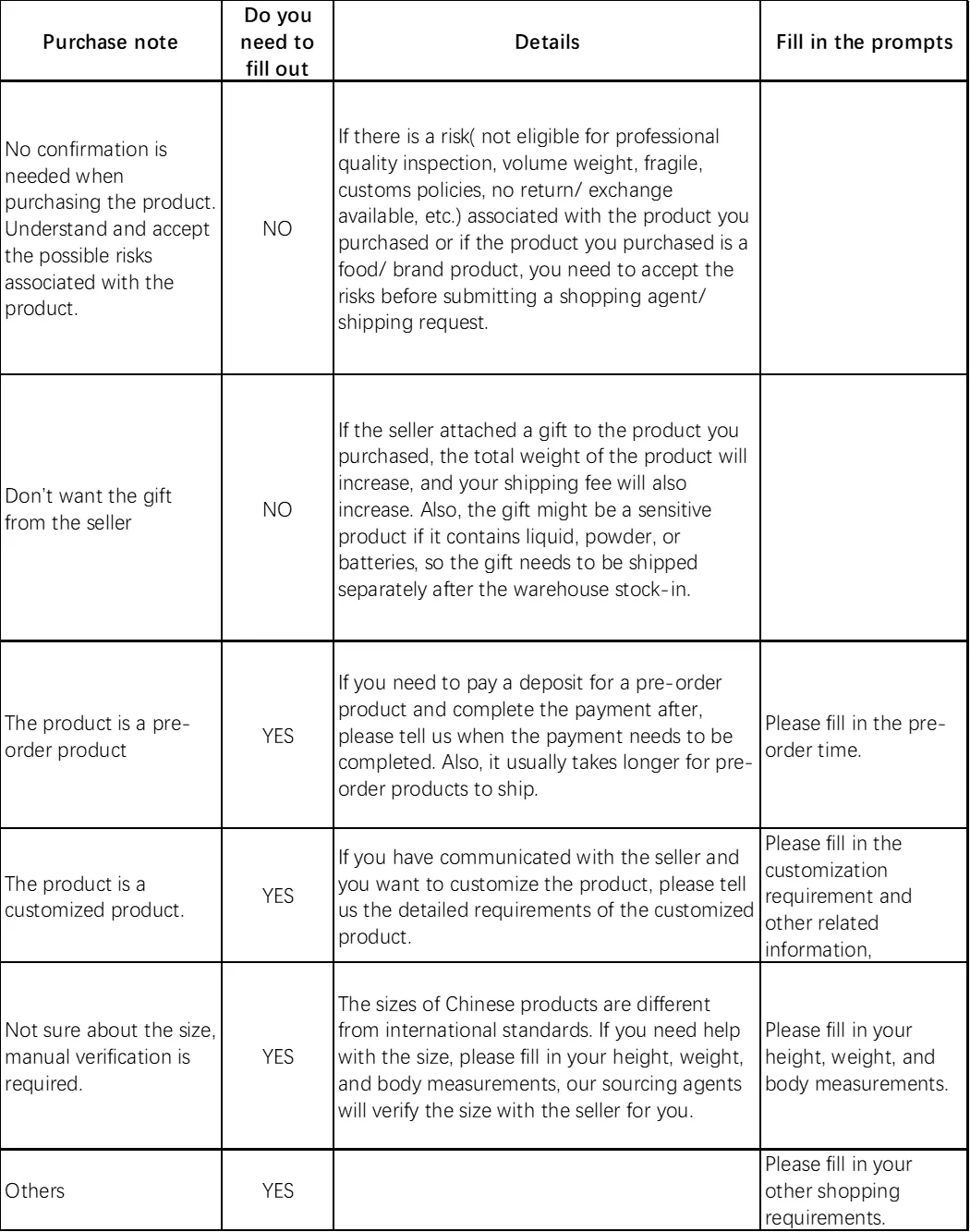
If a chart leaves you between two sizes, Lolobuy's order remark has an option for it. Choose the size-check remark, give your height, weight and measurements, and Lolobuy's purchasing agent will check with the seller before buying. It costs a little time, not money.
Remember the 1 to 3 cm rule from Lolobuy's own guide: hand measurements drift. A gap of 1 cm between your shirt and the chart is noise; a gap of 4 cm is a different size. And the warehouse inspection does not measure garments, so a size problem is only caught if you ask for a measurement photo.